




Unhealthy Scalp Signs: Why Oiliness, Flakes & Hair Fall Keep Coming Back
Most people only notice their scalp when something goes wrong.
Flakes. Itch. Oiliness. Hair fall.
But by the time symptoms appear, scalp health has already been compromised.
A truly healthy scalp is quiet.
It doesn’t demand attention.
And that’s exactly why most people don’t realise when they don’t have one.
What Does “Scalp Health” Actually Mean?
Scalp health isn’t about being perfectly dry or perfectly oily.
It’s about balance.
A healthy scalp is skin that can:
-
Regulate oil naturally
-
Retain moisture
-
Support hair growth cycles
-
Stay calm without constant intervention
Just like facial skin, the scalp has:
-
A protective barrier
-
Oil-producing glands
-
A microbiome (good bacteria)
-
An immune response to irritation
When these systems are in balance, the scalp functions quietly and efficiently.
What a Healthy Scalp Looks and Feels Like
A healthy scalp is often unremarkable — and that’s the point.
Signs of a healthy scalp:
-
No persistent itch or tightness
-
No visible redness or soreness
-
Oil returns gradually after washing, not immediately
-
Minimal flakes (especially outside of seasonal changes)
-
Hair sheds at a normal, consistent rate
Most importantly:
A healthy scalp does not need constant fixing.
If you’re not thinking about your scalp every day, that’s usually a good sign.
Why Most People Don’t Have a Healthy Scalp
Modern habits quietly disrupt scalp balance.
The most common reasons include:
-
Over-washing or harsh cleansing
-
Heavy oiling without proper removal
-
Product layering close to the scalp
-
Frequent switching of shampoos
-
Scratching, friction, and heat exposure
These habits don’t cause instant damage — they create slow imbalance.
Over time, the scalp becomes reactive:
-
Oil production becomes erratic
-
The barrier weakens
-
Micro-inflammation develops around follicles
By the time flakes or hair fall appear, the scalp has already been struggling.
Signs of an Unhealthy or Imbalanced Scalp
Scalp imbalance doesn’t look the same for everyone.
Some people experience:
-
Persistent itch without visible dandruff
-
Tightness or discomfort after washing
-
Oiliness paired with dry, flaky patches
-
Hair fall that increases suddenly
-
A “never quite clean” feeling, even after shampooing
These symptoms often seem unrelated — but they share a common root:
a scalp that can’t regulate itself anymore.
Why Symptoms Keep Coming Back
Many people treat scalp issues in isolation:
-
Anti-dandruff shampoos for flakes
-
Clarifying shampoos for oil
-
Oils or serums for dryness
These can offer temporary relief, but they rarely restore balance.
That’s because:
Treating symptoms without addressing scalp health is incomplete care.
Without supporting the scalp barrier and overall balance, symptoms tend to return — sometimes in different forms.
Healthy Scalp vs “Problem-Free” Scalp
A scalp without visible problems is not always a healthy one.
Some scalps appear fine but are:
-
Over-stripped and compensating with excess oil
-
Calm only when products are constantly used
-
One trigger away from flaking or itching
True scalp health means:
-
Stability
-
Resilience
-
Predictability
The scalp can handle changes without reacting dramatically.
The Goal: Balance, Not Perfection
The goal of scalp care isn’t to eliminate oil, flakes, or shedding completely.
It’s to help the scalp:
-
Maintain its natural barrier
-
Stay calm and comfortable
-
Support long-term hair growth cycles
Healthy scalps are not forced into submission.
They are supported into balance.
Why Scalp Health Is the Foundation of Hair Health
Hair quality is a downstream result.
When the scalp environment is healthy:
-
Hair growth cycles stabilise
-
Excessive shedding reduces over time
-
Hair feels fuller and stronger naturally
Without scalp health, hair care remains cosmetic — not corrective.
This is why understanding scalp health is the first step toward solving most hair concerns.
FAQ's
What are signs of unhealthy scalp?
Oiliness, flakes, itching, redness, and excessive hair shedding.
How do I improve scalp health?
Gentle cleansing, barrier repair, balanced hydration, and avoiding over-cleansing.
The Takeaway
If your scalp:
-
Needs constant fixing
-
Reacts quickly to small changes
-
Never feels fully comfortable
It’s not failing — it’s imbalanced.
“Healthy Scalp Checklist”
-
No flakes
-
No tightness
-
Roots don’t get oily in 24h
-
Hair doesn’t shed excessively
Scalp health isn’t about quick fixes.
It’s about creating the right conditions — and letting the scalp do what it’s designed to do.
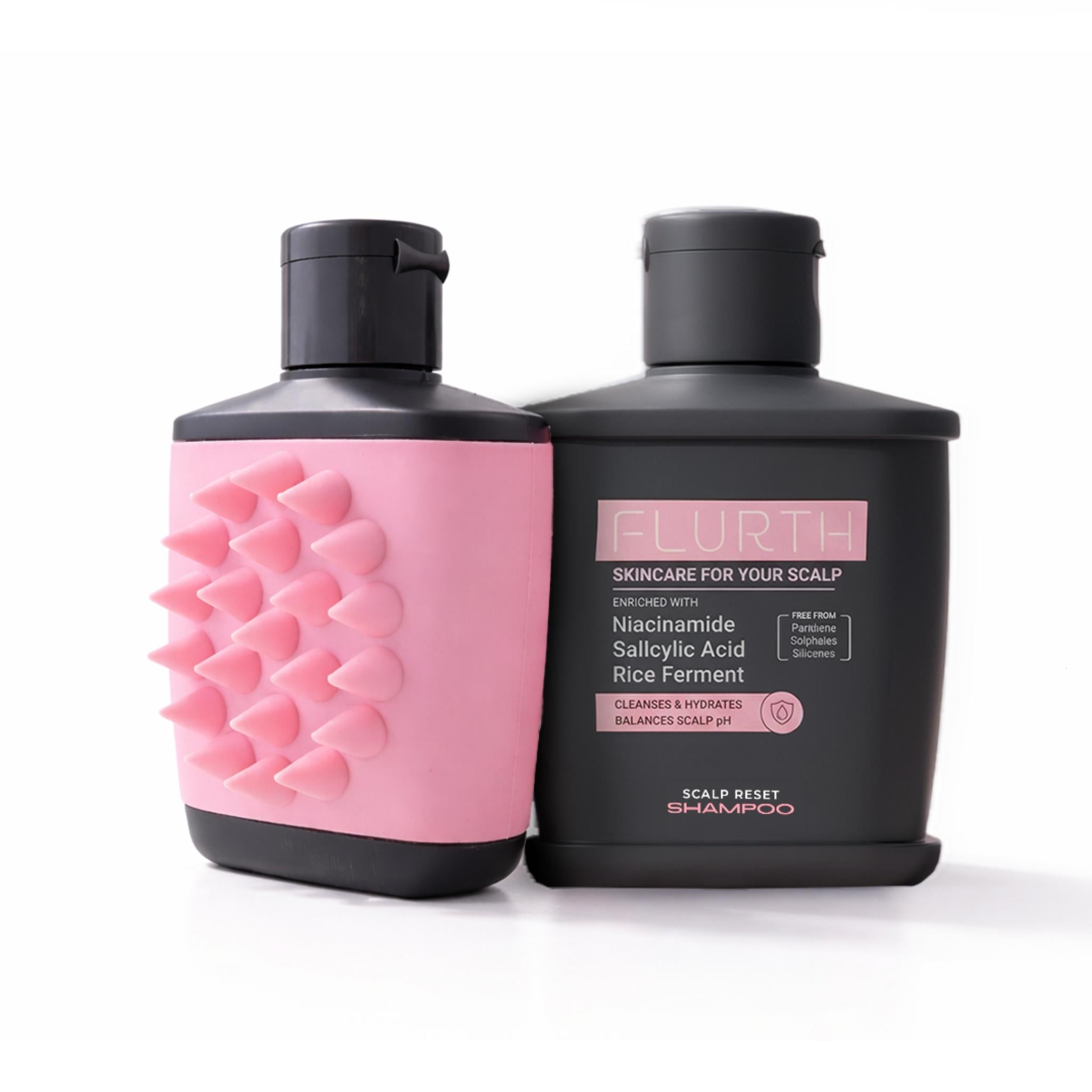
If this sounds familiar, your scalp may need a reset. Pre launch access is now open for our scalp reset shampoo
Leave a comment
This site is protected by hCaptcha and the hCaptcha Privacy Policy and Terms of Service apply.