



Hair Fall Causes: The Hidden Role of Scalp Inflammation
Hair fall feels unpredictable.
One day it’s normal shedding.
The next, you notice more strands on your pillow, in the shower, on your brush.
Most people assume:
-
It’s stress
-
It’s weather
-
It’s shampoo
-
It’s oiling
-
It’s genetics
But one of the most overlooked hair fall causes is something happening directly on your scalp:
Scalp inflammation.
And when inflammation becomes chronic, hair fall follows.
What Causes Hair Fall in Most People?
Hair fall is rarely random.
Common hair fall causes include:
-
Hormonal changes
-
Nutritional deficiencies
-
Stress
-
Tight hairstyles
-
Heat styling
-
Harsh hair products
But there’s one factor connecting many of these:
The condition of your scalp.
Hair doesn’t grow in isolation.
It grows from follicles embedded in living scalp skin.
If that skin is inflamed or imbalanced, follicles weaken over time.


What Is Scalp Inflammation?
Scalp inflammation is when the skin on your scalp becomes irritated, reactive, or disrupted.
It may not always look dramatic.
Sometimes it shows up subtly as:
-
Itchiness
-
Burning sensation
-
Tenderness
-
Redness
-
Flakes that keep returning
-
Increased hair fall after washing
Inflammation weakens the environment where hair grows.
And weak environment = weak growth cycle.
Signs Your Scalp May Be Inflamed
You may have scalp inflammation if you notice:
• Hair fall after wash
• Persistent itchiness
• Oily yet flaky scalp
• Dandruff that keeps coming back
• Sensitivity to products
• Tight or uncomfortable scalp feeling
These signs often appear before noticeable thinning.
How Scalp Inflammation Triggers Hair Loss
Here’s how it works:
1️⃣ Inflammation disrupts the scalp barrier
2️⃣ The follicle environment becomes unstable
3️⃣ Growth phase shortens
4️⃣ Shedding phase increases
Over time, repeated inflammation weakens follicles and reduces hair density.
This is why simply switching shampoos often doesn’t fix recurring hair fall.
The root problem isn’t always the hair.
It’s the scalp.
What Causes Scalp Inflammation?
Scalp inflammation doesn’t happen randomly.
It’s usually triggered by:
• Harsh, stripping shampoos
• Excessive oiling
• Product buildup
• Pollution exposure
• Fungal imbalance
• Aggressive scratching
• Overwashing
Many people unknowingly move between two extremes:
Stripping the scalp aggressively
→ Then over-oiling to compensate
This cycle keeps the scalp reactive.
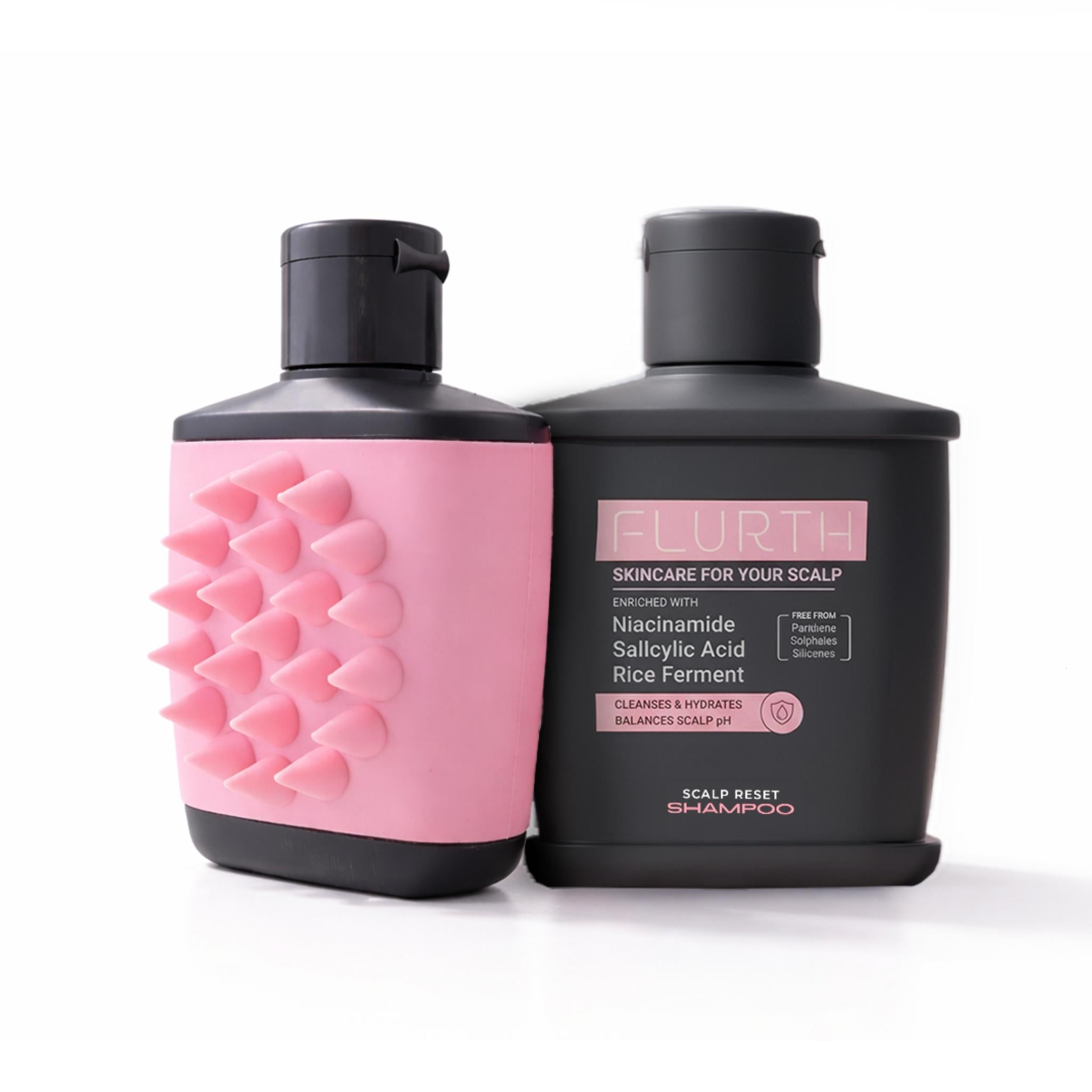
Shop here : Shop Scalp Reset Shampoo

Hair Fall After Wash: Why It Happens
Many people experience increased hair fall during or after washing.
This can happen because:
• Inflamed follicles release weak hairs more easily
• Aggressive scrubbing irritates the scalp
• Barrier damage makes follicles sensitive
If you consistently notice shedding after wash, your scalp may be inflamed — not just your hair weak.
How to Calm Scalp Inflammation Naturally
If scalp inflammation is contributing to hair fall, the goal is balance.
Not stripping.
Not suffocating.
Practical steps:
• Use gentle, barrier-supporting cleansers
• Avoid very hot water
• Reduce heavy overnight oiling
• Don’t scratch or over-massage
• Limit product layering
Supporting the scalp barrier helps create a stable environment for follicles.
And stable environment supports stronger growth.
If Hair Fall Keeps Returning, The Root May Be Your Scalp
When hair fall repeats despite oiling, switching shampoos, or trying home remedies, it’s usually a sign the scalp environment is unstable.
That’s why we built a scalp-first formula designed to:
• Support barrier balance
• Calm irritation
• Regulate oil
• Gently clear buildup
Instead of aggressively stripping the scalp.
FAQ: Hair Fall and Scalp Inflammation
Can scalp inflammation cause hair loss?
Yes. Chronic inflammation weakens follicles and disrupts the growth cycle, increasing shedding.
Is itchy scalp related to hair fall?
Often, yes. Persistent itchiness can signal inflammation, which affects follicle health.
Does dandruff cause hair fall?
Severe or recurring dandruff linked to inflammation may contribute to increased shedding.
How long does it take to calm scalp inflammation?
With consistent gentle care, visible improvement can begin within a few weeks, depending on severity.
Is oiling good for inflamed scalp?
In some cases, heavy oiling may worsen congestion. It depends on the type of inflammation.
Final Thought
Hair fall isn’t always random.
And it isn’t always about weak hair.
Healthy hair depends on a healthy scalp.
When the scalp barrier is balanced and calm, follicles function better.
And growth becomes more stable.
Leave a comment
This site is protected by hCaptcha and the hCaptcha Privacy Policy and Terms of Service apply.