

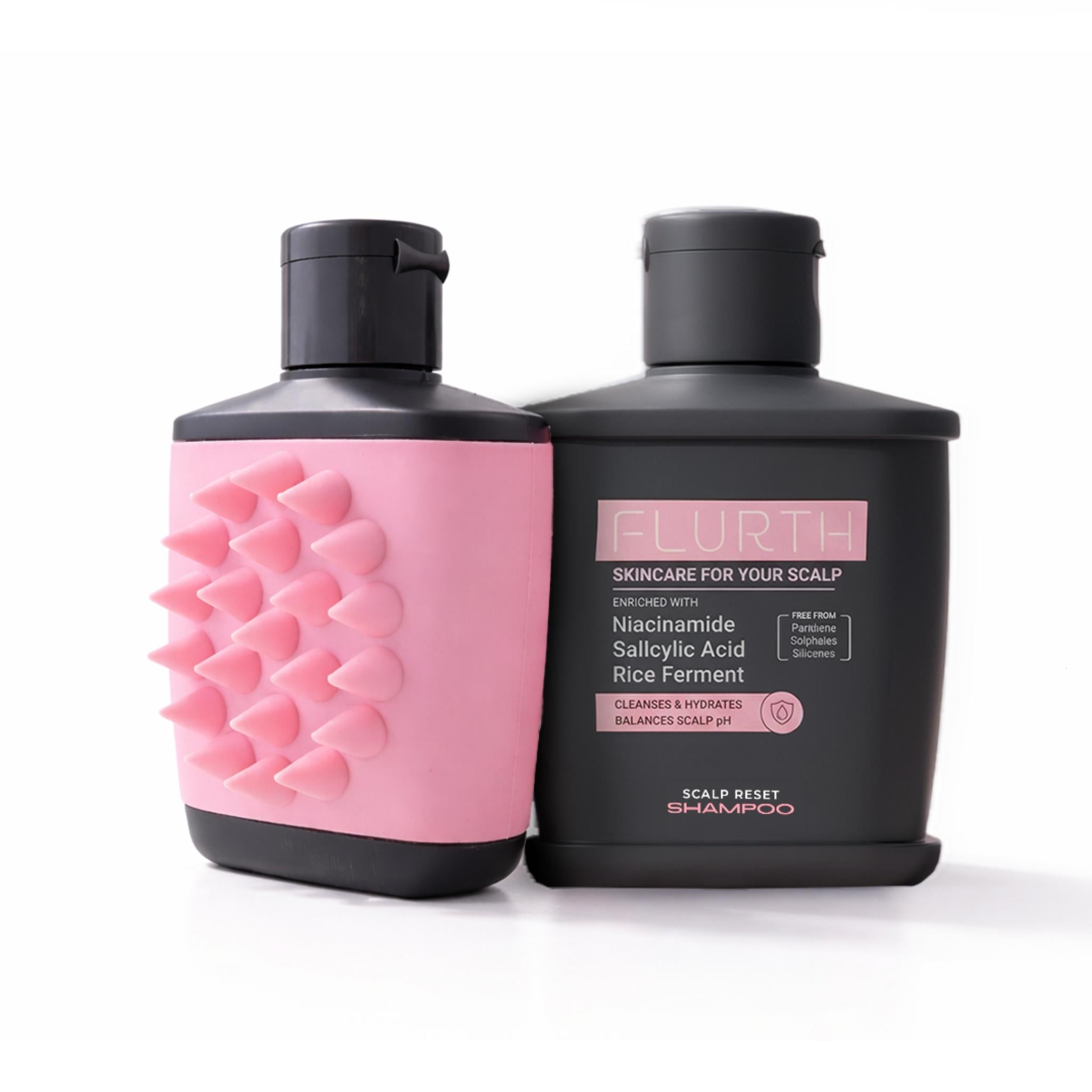



Do Scalp Actives Like Niacinamide, AHA & Peptides Work? Science Explained
Modern scalp care borrows heavily from skincare, using exfoliating acids, peptides, and anti-inflammatory actives to treat the scalp like facial skin.
Actives have become the centre of modern skincare — and now, scalp care.
Ingredients like niacinamide, exfoliating acids, and peptides are increasingly found in shampoos, scalp serums, and treatments. But many people are left wondering:
Do these actives actually work on the scalp — or are they just skincare trends repackaged for hair?
The answer is nuanced.
Some actives can be incredibly helpful.
Others can quietly backfire.
It all depends on how the scalp functions as skin — and how actives interact with it.
First, Let’s Clarify What “Actives” Mean in Scalp Care
Actives are ingredients added to influence skin behaviour.
In scalp care, they’re usually included to:
-
Reduce inflammation
-
Improve barrier health
-
Exfoliate buildup
-
Support follicle signalling
But unlike facial skin, the scalp is:
-
Thicker
-
Oil-rich
-
Covered with hair
-
Exposed to friction, sweat, and buildup
This changes how actives behave.
Niacinamide on the Scalp: Helpful or Hype?
Niacinamide is widely used in skincare — and for good reason.
On the scalp, niacinamide can:
-
Support barrier repair
-
Reduce low-grade inflammation
-
Improve scalp comfort
-
Help regulate oil imbalance
When used correctly, it can be very beneficial for sensitive or reactive scalps.
However, problems arise when:
-
Concentrations are too high
-
The scalp barrier is already damaged
-
Niacinamide is layered with multiple actives
In these cases, even gentle actives can feel irritating.
Verdict:
✔ Works well for scalp health
⚠️ Best used at moderate levels and in barrier-supporting formulas
AHAs & Exfoliating Acids: When They Help — and When They Hurt
AHAs (like glycolic or lactic acid) and PHAs are used to exfoliate dead skin and buildup.
On the scalp, gentle exfoliation can:
-
Clear follicle openings
-
Reduce flaky buildup
-
Improve scalp comfort
Overuse can:
-
Damage the scalp barrier
-
Increase sensitivity
-
Trigger rebound oiliness
-
Worsen hair fall indirectly
Verdict:
✔ Useful in low strength, infrequent use
❌ Harmful when aggressive or overused
Peptides & Growth-Supporting Actives
Peptides are often marketed for hair growth — but their role is often misunderstood.
On the scalp, peptides can:
-
Support follicle signalling
-
Improve the growth environment
-
Reduce oxidative stress around follicles
What they cannot do:
-
Force dormant follicles to regrow
-
Override inflammation
-
Compensate for poor scalp health
Peptides work best when:
-
The scalp is calm
-
Follicles are clear
-
Inflammation is minimal
Verdict:
✔ Supportive, not miraculous
✔ Best as part of a healthy scalp ecosystem
Why Actives Often Fail in Scalp Care
Many people add actives too early — or too aggressively.
Actives fail when:
-
The scalp barrier is compromised
-
Cleansing is unbalanced
-
Multiple actives are layered together
-
There’s no recovery time between treatments
In these cases, actives increase irritation instead of improving results.
Scalp ≠ Face ≠ Hair
One of the biggest mistakes in scalp care is treating the scalp like:
-
Facial skin
or -
Hair lengths
It is neither.
The scalp needs:
-
Slower intervention
-
Fewer actives
-
More consistency
-
Strong barrier support
Actives should support, not dominate, the routine.
How to Tell If an Active Is Helping or Hurting
Helpful signs:
-
Reduced itch or tightness
-
More comfortable scalp between washes
-
Gradual reduction in flakes or oiliness
Warning signs:
-
Tingling or burning
-
Increased sensitivity
-
Faster oiliness
-
Sudden increase in shedding
Actives should improve comfort over time — not demand attention.
FAQ's
Do scalp actives like niacinamide and peptides really work?
Scalp actives can support scalp health, but they are not magic hair-growth drugs. Ingredients like niacinamide and peptides can reduce inflammation, support scalp barrier function, and help follicles stay in the growth phase. Their effectiveness depends on concentration, formulation, and consistency of use.
What do AHAs and exfoliating acids do for the scalp?
AHAs and BHAs exfoliate dead skin cells and remove buildup from the scalp. This can reduce flakes, improve oil balance, and allow other ingredients to penetrate better. However, over-exfoliation can irritate the scalp, so frequency and formulation are important.
Can scalp actives regrow hair?
Scalp actives alone cannot regrow hair in cases of genetic or scarring hair loss. They can improve the scalp environment and reduce inflammation, which may support healthier hair growth and reduce excessive shedding. Clinically proven regrowth treatments usually involve medications like minoxidil.
How long do scalp actives take to show results?
Most scalp actives take 4 to 12 weeks to show visible improvements in scalp comfort, oil balance, and reduced shedding. Hair density changes take longer because of the hair growth cycle.
The Takeaway
Yes — actives like niacinamide, AHAs, and peptides can work on the scalp.
But only when:
-
Used thoughtfully
-
Formulated gently
-
Supported by a healthy scalp barrier
Scalp care isn’t about stacking actives.
It’s about creating the right conditions for them to work.
When the scalp is calm and balanced, actives can enhance results.
When it’s not, they often do more harm than good.
That’s the difference between skincare principles applied wisely — and trends applied blindly.
Leave a comment
This site is protected by hCaptcha and the hCaptcha Privacy Policy and Terms of Service apply.